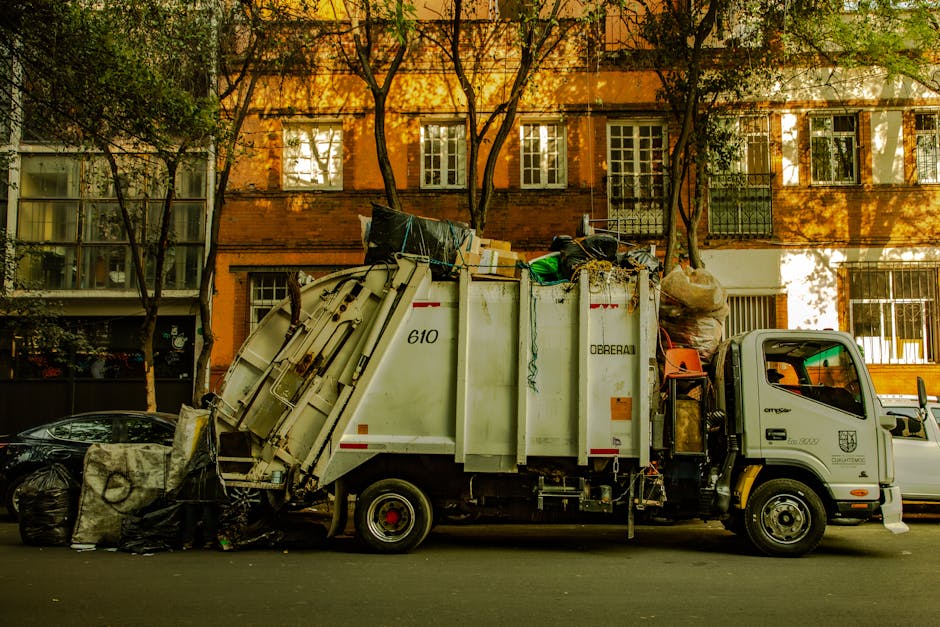
Junction Road bulky waste removal tips for N19 properties

If you live or work near Junction Road in N19, bulky waste has a habit of turning into a bigger job than expected. One old sofa becomes two chairs, a broken wardrobe, a mattress, a cabinet, and suddenly the hallway looks like a depot. The good news? With a bit of planning, bulky waste removal for N19 properties can be tidy, fast, and far less stressful than most people imagine.
This guide brings together practical Junction Road bulky waste removal tips for N19 properties so you can clear large items safely, avoid common mistakes, and choose the right disposal route for your building. Whether you're in a flat, a converted house, a top-floor walk-up, or a small business unit, the same core principles apply: plan access, separate materials, protect shared spaces, and use a disposal method that fits the item and the building.
There's a bit more to it than "put it outside and hope for the best". To be fair, that approach can backfire quickly. So let's make it simpler.
Why Junction Road bulky waste removal tips for N19 properties Matters
Bulky waste is anything too large for normal household bins and awkward enough to cause problems if you leave it unmanaged. In N19, that can mean anything from a bulky armchair and broken bed frame to appliance-sized items, office furniture, old shelving, or garden items stored in a cellar or rear yard. Junction Road has a mix of residential and commercial properties, and that mix matters because access, stairwells, neighbours, and timing all shape how a clearance should be handled.
The short version: the better you plan, the less you disrupt everyone else. In shared buildings, bulky items left in corridors can create fire safety concerns, block access, and annoy neighbours. In ground-floor premises, the risk is usually damage to walls, lifts, or door frames during removal. In top-floor flats, the challenge is simply moving heavy items without injury. None of that is glamorous, but it is real.
Good bulky waste planning also helps you separate reusable items from waste, which can reduce disposal volume and make the job more efficient. If you are clearing a whole flat, it can help to think broader than one item at a time. A flat clearance approach is often more practical than trying to tackle a few awkward pieces in isolation. The same goes for larger domestic jobs that overlap with house clearance or even a full home clearance.
There's also the environmental angle. Sorting items properly makes recycling and reuse more likely, and that is usually the better route than mixed disposal. If you care about that side of things-and a lot of N19 residents do-then planning ahead pays off twice.
How Junction Road bulky waste removal tips for N19 properties Works
In practical terms, bulky waste removal is usually a sequence: identify the items, check what can be removed together, assess access, and decide whether you'll do it yourself or book a professional service. Simple on paper. A little more complicated once you stand in a narrow hallway with a wardrobe that refuses to fit round the turn.
For N19 properties, the process usually looks like this:
- List the items and group them by type: furniture, appliances, garden waste, mixed household junk, office items, or builder-style debris.
- Check access routes such as stairwells, lifts, front steps, shared entrances, and rear access points.
- Separate special waste from normal bulky items. Fridges, freezers, and anything with gas, oil, chemicals, or sharp broken components need extra care.
- Decide on the removal method: self-removal, shared-bin arrangements where permitted, a vehicle load-away, or a professional clearance.
- Protect the property with coverings, moving blankets, gloves, and a clear route.
- Load and remove the items in a way that avoids damage and keeps neighbours out of the way.
- Sort for disposal or recycling after collection, especially if the load includes reusable furniture or electrical items.
If your items are mainly domestic furniture, it can help to think about whether you need furniture clearance or specific furniture disposal. If the bulky waste includes a mattress or sofa, using a dedicated route can be much cleaner than forcing it into a general mixed load. That's where mattress and sofa disposal becomes useful in a very practical sense.
For appliance-heavy clearances, separate the white goods early. A fridge sitting in a hallway looks harmless until you realise it is heavy, awkward, and probably not something you want dragging down stairs at 8 a.m. A dedicated fridge and appliance removal service is often the sensible call.
Key Benefits and Practical Advantages
The biggest benefit of thoughtful bulky waste removal is simple: less friction. Less lifting, less clutter, less damage, less stress. But there are a few other advantages worth spelling out.
- Faster clear-outs because items are grouped and handled in one go.
- Better building etiquette in shared N19 properties, where corridors and entrances need to stay clear.
- Lower risk of accidents during moving, carrying, and loading.
- More recycling opportunities when items are sorted instead of bundled together.
- Cleaner property presentation for landlords, letting agents, sellers, and business owners.
- More predictable costs because the job scope is clearer from the start.
There is also the human side. Clear a cluttered room, and the whole place feels different. You can hear your own footsteps again. Sounds silly, maybe, but people notice it immediately. A cleared room tends to feel calmer, brighter, easier to live in.
If you are dealing with a larger domestic project, a broader house clearance or even a full home clearance can be more efficient than repeated single-item collections. And if the job overlaps with loft overflow, don't ignore that attic pile. It usually hides more than you remember. A proper loft clearance can stop the same bulky items coming back next month.
Who This Is For and When It Makes Sense
This kind of guidance is useful for a lot more people than you might think. If you live near Junction Road in an N19 flat, own a rental property, manage a small office, or have a shop or studio with old stock and broken furniture, bulky waste can build up fast.
It makes sense when you are:
- moving out of a flat or maisonette
- clearing after a refurbishment or decorating job
- replacing sofas, beds, wardrobes, or appliances
- emptying a garage, cellar, or loft
- preparing a property for sale or let
- refreshing an office, studio, or retail backroom
- dealing with bulky garden waste after seasonal work
For example, a landlord might need a quick turnaround between tenancies and want every item gone in one visit. A business owner might have old desks, broken shelving, and confidential waste to sort separately. In that kind of case, office clearance is usually more useful than a generic one-off rubbish removal mindset. If documents are involved, pair it with confidential shredding so you are not leaving personal or business data sitting around.
And if you are looking at a garage, that is its own little universe of mixed items, half-useful tools, and things you forgot you owned. A focused garage clearance is often the easiest way to stop it becoming a long weekend project that never quite ends.
Step-by-Step Guidance
Here is the practical version. Not the glossy version. The one that actually helps.
- Walk the route first. Measure door widths, stair turns, and any awkward corners. If you have a lift, check whether the item will fit without being forced. If it looks tight, it probably is.
- Identify what you are removing. Break the load into furniture, appliances, garden waste, builders' debris, and anything potentially hazardous. Mixed loads slow everything down.
- Decide what can be reused or donated. A sturdy table or usable wardrobe may not need disposal at all. If it is upholstered, broken, damp, or infested, that changes things. Pretty obvious, but easy to miss in a rush.
- Remove loose contents first. Drawers, glass shelves, cushions, and cables make large items bulkier and less safe. Take them out before moving.
- Protect the building. Use blankets or card protection on tight corners, especially in older properties where paintwork marks easily.
- Use proper lifting technique. Keep the load close, bend at the knees, and don't twist under weight. If an item needs two people, make it two people. Not one and a stubborn attitude.
- Load by weight and shape. Heavy items low and secure, lighter items on top, awkward shapes padded so they do not shift.
- Separate specialist waste. Appliances, hazardous materials, and sharp broken goods should never be mixed casually with standard bulky waste.
- Clear the area after removal. Vacuum dust, sweep splinters, and check that no fixings or nails are left behind.
If your bulky waste includes renovation debris as well as household items, you may need a different disposal mix entirely. For that, builders waste clearance is the more suitable route. And if you are not sure what can safely go into a mixed load, it is worth checking what can go in a skip so you do not accidentally mix incompatible materials.
One small but useful trick: photograph the load before you move anything. It helps with planning, and if the job expands halfway through, you will know why. That has saved more than one client from the classic "I thought there were only three items" problem.
Expert Tips for Better Results
Small improvements make a big difference with bulky waste. The jobs that go smoothly usually have boring little habits behind them.
- Start with the hardest item first. If the biggest sofa or wardrobe fits through the route, the rest of the job usually feels easy.
- Strip items down where possible. Remove legs, doors, shelves, and detachable parts. Fewer awkward angles means fewer accidents.
- Keep a clear landing zone. Don't let removed items stack near the entrance. That just creates a second problem.
- Use the quietest time possible. In shared N19 buildings, early morning is not always your friend. Mid-morning often works better for everyone.
- Separate metals, wood, textiles, and mixed waste. Sorting improves recycling outcomes and can make the job cheaper or cleaner, depending on the collection method.
- Plan for the weather. Rain makes stairwells, pavements, and lift areas much messier. A wet mattress is nobody's idea of progress.
If you are dealing with bulky garden cuttings, broken sheds, or old outdoor furniture, a garden clearance approach is usually cleaner than shuffling everything through a general household clear-out. Same principle, different mess.
And if the waste is tied to business operations, consider the timing carefully. A business waste removal schedule that avoids customer-facing hours tends to work far better than a rushed end-of-day panic.
Common Mistakes to Avoid
Most bulky waste headaches come from a handful of predictable mistakes. Avoid these and the whole process becomes much easier.
- Leaving items in shared areas too long. Corridors and communal entrances are not storage spaces, and they can become a nuisance quickly.
- Underestimating item weight. Flat-pack furniture can still be heavy, especially once it is damp, broken, or awkwardly shaped.
- Forgetting specialist waste. Fridges, appliances, and suspect liquids need separate handling, not a casual mixed pile.
- Not checking building rules. Some blocks have specific loading or access arrangements. It's worth asking before the item is halfway down the stairs.
- Trying to do too much at once. If you clear one room and suddenly decide to do the loft too, you may create a bigger tangle than you started with.
- Ignoring recycling potential. A lot of bulky waste is not all-or-nothing. There may be parts worth recovering.
One of the quieter mistakes is treating every item like it belongs in the same pile. It sounds efficient, but it often slows the job down. A better approach is to sort first, move second. Simple, yes. But useful.
If you are unsure about hazardous or unusual items, do not guess. Use a dedicated route such as hazardous waste disposal. That is the sort of thing you do not want to improvise on a Thursday afternoon.
Tools, Resources and Recommendations
You do not need a van full of specialist gear to handle every job, but the right basics help. For most N19 properties, the practical toolkit is small and sensible.
- Heavy-duty gloves for grip and hand protection
- Moving blankets or old quilts for door frames and corners
- Ratchet straps or strong rope for securing items in transit
- Flat trolley or sack truck for heavier pieces where stairs or lifts allow it
- Bin bags and labelled boxes for screws, brackets, cords, and loose parts
- Dust sheets if the property is furnished or freshly decorated
- Phone camera for quick inventory and access photos
For booking and planning, a clear service page is helpful because you can check what is covered before you commit. If you want to compare the job with other removal options, the main waste removal service gives you a broader reference point, while pricing and quotes is useful when you want to understand how the scope may affect the cost.
For businesses, paperwork matters too. You may want to review payment and security, insurance and safety, and the company's health and safety policy before booking. It is not exactly thrilling reading, but it does tell you a lot about how seriously a provider handles the job.
Law, Compliance, Standards, or Best Practice
For bulky waste in the UK, the safest approach is to follow responsible waste handling practice and use a provider or method that can manage the load properly. You do not need to become a legal expert just to clear a sofa, but you do need to avoid fly-tipping, unsafe stacking, and careless disposal of restricted items.
In practical terms, the main best-practice points are:
- do not leave waste where it blocks access or creates a hazard
- keep hazardous materials separate from general bulky items
- use proper lifting and transport methods
- choose a disposal route that matches the item type
- retain clear information about what is being removed, especially for business clearances
For landlords, agents, and business owners, keeping an orderly record is especially helpful. It supports accountability and reduces disputes later. If the job involves sensitive materials or office contents, pairing bulky waste removal with confidential shredding is often the cleaner, more professional choice.
For domestic jobs, the biggest compliance issue is usually simple safety. A badly handled mattress in a communal stairwell, or a heavy cabinet left half-blocking an entrance, can cause trouble quickly. Best practice is not complicated; it is mostly about not cutting corners. That's the honest bit.
Options, Methods, or Comparison Table
There is no single best method for every bulky waste job. The right choice depends on access, item type, urgency, and whether you want reuse, recycling, or full disposal. Here is a straightforward comparison.
| Method | Best for | Strengths | Watch-outs |
|---|---|---|---|
| Self-removal | Small loads, easy access, reusable items | Flexible timing, low direct cost | Heavy lifting, vehicle access, time pressure |
| Skip-style approach | Mixed loads with space for loading | Useful for larger clearances | Not ideal for tight streets, item restrictions apply |
| Professional bulky waste collection | Heavy furniture, awkward access, fast turnaround | Less strain, quicker removal, cleaner process | Needs clear item list and access planning |
| Specialist disposal | Appliances, mattresses, sofas, hazardous items | Safer handling, better sorting | May need separate booking or handling rules |
For many Junction Road properties, the best answer is a blend: use a focused service for bulky items, then separate out anything specialist. If the job includes odd items like old appliances, a dedicated fridge and appliance removal route is usually more efficient than trying to squeeze it into a general load.
And if you are deciding between a mix of collection styles, the page on what can go in a skip is a useful practical reference for thinking through load types, even if you do not end up using a skip at all.
Case Study or Real-World Example
A typical N19 scenario goes like this. A tenant moves out of a first-floor flat near Junction Road and leaves behind a sofa, a mattress, a two-door wardrobe, and a couple of broken shelves in the hallway. The building has a narrow stairwell, neighbours are coming and going, and the landlord wants the flat ready for cleaning the next day.
The sensible move is not to drag everything out in one unplanned rush. Instead, the items get sorted first: sofa and mattress together, wardrobe broken down, loose fixings bagged, and the route checked before anything is moved. Protective coverings go down at the sharp turn on the stairs. One person clears the landing, another carries, and nothing gets blocked in the communal entrance. Not fancy. Just calm, organised work.
In that kind of job, the value is in speed and tidiness. A property can go from messy to manageable in a short time when the waste is grouped properly. If appliances are present too, they are kept separate and handled as part of a dedicated appliance collection. The landlord gets the flat back faster, the building stays cleaner, and the whole thing feels less chaotic. Honestly, that is usually what people want most.
That same logic applies to small commercial spaces. A back office with old desks, a cracked chair, and boxes of paper can be cleared efficiently if you sort the furniture, the documents, and the waste stream separately from the start.
Practical Checklist
Before you book or begin any bulky waste removal job in an N19 property, run through this list.
- Have I listed every bulky item that needs to go?
- Do I know which items are reusable, recyclable, or specialist waste?
- Have I checked access, stair turns, and door widths?
- Will I need two people or extra equipment to move anything safely?
- Have I cleared communal areas and warned neighbours if needed?
- Have I protected walls, corners, and floors?
- Have I separated appliances, mattresses, sofas, or hazardous items?
- Do I understand the collection or disposal method I am using?
- Have I reviewed the provider's service pages and practical details, including recycling and sustainability if that matters to me?
- Is there anything I should keep, donate, or store elsewhere before collection day?
If you can tick most of those off, the job is already in good shape. If not, pause and sort the details first. That little pause can save a lot of hassle later.
Get a free quote today and see how much you can save.
Conclusion
Junction Road bulky waste removal tips for N19 properties really come down to one principle: plan the job for the building you actually have, not the one you wish you had. Narrow stairs, shared entrances, mixed-use spaces, awkward furniture, and time-sensitive clearances all need a bit of thought. Once you sort the items properly and choose the right disposal route, the work becomes much more manageable.
The smartest approach is usually the quiet one: measure first, separate waste streams, protect the property, and use the right service for the right item. That is how you avoid damage, reduce stress, and keep the process moving. Not glamorous, but very effective.
If you are facing a bulky clearance near Junction Road, the next sensible step is to map out what needs removing and decide which items need specialist handling. A clear plan now usually means a calmer, cleaner property tomorrow. And that, really, is the point.
Frequently Asked Questions
What counts as bulky waste in an N19 property?
Bulky waste usually means large items that do not fit into standard bins, such as sofas, mattresses, wardrobes, tables, appliances, shelving, and similar oversized household or office items.
Do I need a specialist service for a sofa or mattress?
Often, yes. Sofas and mattresses are awkward to move and can be difficult to dispose of cleanly in a general mixed load. A dedicated disposal route is usually simpler and safer.
How should I prepare a flat near Junction Road for bulky waste removal?
Clear the route, measure any tight corners, remove loose contents from furniture, protect walls and floors, and separate anything that needs special handling before the removal day.
Can I put a fridge with other bulky waste?
It is better not to. Fridges and similar appliances often need separate handling, especially if they contain refrigerants or other components that require specialist disposal.
What is the best way to handle bulky waste in a shared building?
Keep communal areas clear, avoid blocking entrances, move items at sensible times, and plan the route so the removal is quick and tidy for neighbours.
Is it cheaper to clear everything at once?
Usually, yes, if the items are grouped logically and access is straightforward. A clear scope helps avoid repeated visits and wasted labour.
What should I do with broken furniture that could still be reused?
If it is safe and functional, consider reuse or donation. If it is damaged, unstable, mouldy, or infested, it should be treated as waste rather than reused.
Can office bulky waste be mixed with household items?
It can be, but it is usually better to separate office items, documents, and household furniture so the load can be handled more efficiently and responsibly.
How do I avoid damage when moving large items down stairs?
Use two people for heavy or awkward pieces, remove detachable parts first, protect corners and walls, and never rush a tight turn. Slow is often faster in the end.
What if I am not sure whether an item is hazardous?
Do not guess. Put the item aside and ask for guidance or use a specialist disposal route. Hazardous materials should never be mixed casually with general bulky waste.
Are garden items part of bulky waste removal too?
They can be. Items like broken outdoor furniture, large plant pots, shed panels, and hard landscaping waste may need a garden-focused clearance rather than general rubbish removal.
What is the most common mistake people make with bulky waste?
The biggest mistake is underplanning. People often underestimate weight, access issues, and the need to separate different waste types, which makes the job harder than it needs to be.