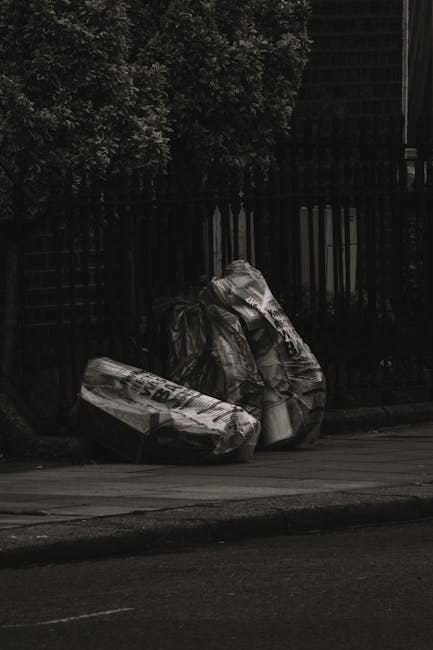
Tufnell Park Station rubbish collection times and local tips
If you live, work, or are just passing through near Tufnell Park Station, rubbish collection can feel oddly complicated for something so ordinary. One missed bin day, a recycling sack left out too early, or a bulky item blocking the pavement, and suddenly the whole street notices. This guide to Tufnell Park Station rubbish collection times and local tips is here to make the practical side simpler: when collection usually happens, how to avoid the most common headaches, and what local residents can do to keep things tidy without wasting time.
Truth be told, the hardest part is rarely the rubbish itself. It is the timing, the access, the flats, the narrow roads, and the little details nobody remembers until they are standing outside with a box of broken shelves at 7:10 a.m. So let's break it down clearly and usefully.
Table of Contents
- Why Tufnell Park Station rubbish collection times and local tips Matters
- How Tufnell Park Station rubbish collection times and local tips Works
- Key Benefits and Practical Advantages
- Who This Is For and When It Makes Sense
- Step-by-Step Guidance
- Expert Tips for Better Results
- Common Mistakes to Avoid
- Tools, Resources and Recommendations
- Law, Compliance, Standards, or Best Practice
- Options, Methods, or Comparison Table
- Case Study or Real-World Example
- Practical Checklist
- Conclusion
- Frequently Asked Questions
Why Tufnell Park Station rubbish collection times and local tips Matters
Near a busy station, waste management is about more than getting rid of bags. The area sees commuters, delivery vans, residents in mansion blocks, shopfronts, and the steady churn of moving-in and moving-out that comes with London living. If rubbish is left out at the wrong time, it can be knocked over, spread by weather, or simply get in the way. And once that happens, the street can feel untidy very quickly.
Collection timing matters because it affects appearance, pests, access, and neighbour relations. It also matters for practical reasons. A missed collection can mean extra clutter in a flat, a smell in warm weather, or a recycling issue that turns into a larger clean-up later. Near transport links, that sort of thing becomes visible fast. You will notice it on a Friday evening when the bins are already full and everyone has the same idea at once.
Local tips matter too because Tufnell Park has the kinds of streets where small mistakes have big consequences. Shared entrances, limited storage, narrow frontages, and parked cars can all make standard rubbish routines harder. A good routine saves time, but it also saves embarrassment. Nobody wants to be the person whose broken wardrobe is left leaning against the wall for three days. That is a bit too memorable.
If your waste goes beyond normal household bins, it can help to look at broader clearance options such as waste removal or more specific services like flat clearance and house clearance. Those pages are useful when the job is bigger than bin day can handle.
How Tufnell Park Station rubbish collection times and local tips Works
Rubbish collection near Tufnell Park Station usually follows the normal London pattern: household bins are put out for scheduled collection days, recycling is separated where required, and larger items are handled through a different route. The exact day and time can vary by property type and local arrangements, so the safest habit is to follow the instructions for your own building or local authority setup rather than assume the same routine as the street next door.
In practical terms, there are three common collection types:
- Standard household collections for general waste and recycling.
- Bulky waste handling for items too large for bins, such as furniture or appliances.
- Commercial or managed-property waste where bins are shared and collected under a separate agreement.
The timing piece is where most people trip up. Collections are usually early enough that bins need to be out before the crew arrives, which means putting them out too late is a real risk. At the same time, leaving them out too early is not ideal either. If you are in a busy pocket near the station, a bag left overnight can be opened by birds, kicked over by passers-by, or picked through by the wind. Not glamorous, but there we are.
For residents with limited storage, the best routine is often simple: pre-sort waste during the week, use the right bags or containers, and set a reminder the evening before collection day. If you are clearing out a flat or office, it is often smarter to book a dedicated clearance rather than rely on bins that were never designed for a full room's worth of clutter. In those cases, services like home clearance or office clearance can be far more efficient.
Key Benefits and Practical Advantages
Getting rubbish timing right near Tufnell Park Station is not just about neatness. Done well, it gives you a quieter, cleaner, and less stressful routine. That sounds a bit obvious, but the difference is real.
Better kerb appeal and less mess. Bins that go out at the right time are less likely to spill, smell, or clutter the pavement. For homeowners, landlords, and small businesses, that keeps the place looking looked-after.
Fewer missed collections. When your routine is organised, the chances of forgetting collection day drop sharply. One missed collection can snowball into a week of inconvenience. Nobody wants that awkward pile-up beside the front door.
Less stress in shared buildings. In flats, timing is everything because everyone shares the same limited space. A clear routine avoids arguments about whose bag was left where. If you live in a converted property, that alone can be worth the effort.
Safer access. Keeping bags, boxes, and bulky items off narrow walkways helps people move safely in and out of the building. This matters most near station routes where foot traffic is already constant.
More efficient clear-outs. If you are decluttering before a move, refurb, or tenancy handover, a planned collection rhythm helps you move room by room instead of trying to do everything in one exhausting rush.
There is also a sustainability angle. Sorting recycling properly and choosing the right disposal route can reduce what ends up as general waste. If that matters to you, it should, honestly, have a look at recycling and sustainability. It gives a better sense of the bigger picture without making it feel preachy.
Who This Is For and When It Makes Sense
This topic matters to more people than you might think. It is not just for people with overflowing bins on collection day.
- Flat renters who need to stay on top of bin timing in shared buildings.
- Homeowners clearing out accumulated waste after renovations, repairs, or a family change.
- Landlords and letting agents dealing with end-of-tenancy rubbish and left-behind furniture.
- Local businesses wanting a tidier front-of-house or back-of-house waste routine.
- People moving house who need a quick, practical way to get rid of unwanted items.
- Anyone with bulky waste that cannot wait for normal bin collections.
It makes sense to focus on collection times if your waste volume is small and predictable. It makes less sense if you are mid-renovation, emptying a loft, or replacing most of your furniture. In those cases, forcing everything into household collections is usually slow, messy, and a bit unfair on your neighbours.
If the job is larger, you may find it more practical to use targeted services such as furniture disposal, mattress and sofa disposal, or even fridge and appliance removal when white goods are involved.
Step-by-Step Guidance
If you want a routine that actually works, keep it simple and repeatable. Here is a practical way to approach rubbish collection near Tufnell Park Station.
- Check your collection arrangements. Confirm the day, time window, and bin type for your property. Shared blocks often have slightly different rules from single homes.
- Separate waste before bin night. Put recycling, general waste, and any special items into different piles so you are not rushing at the last minute.
- Break down bulky packaging. Cardboard boxes, flat-pack packaging, and light materials take up far less space when collapsed first.
- Put bins out at the right time. Aim for the collection window rather than leaving them out all day or overnight unless your building specifically asks you to.
- Keep lids closed and bags tied. It sounds basic, but it really helps with odour, birds, and street mess.
- Bring bins back in promptly. Once emptied, move them back to storage so pavements stay clear.
- Book clearance for anything too big. Sofas, broken wardrobes, appliances, and renovation waste need the right route, not wishful thinking.
A good rule of thumb: if you are asking yourself, "Will this realistically fit?" the answer is usually no. That is fine. It just means the item belongs in a proper clearance plan.
For larger or recurring jobs, pricing and quotes can help you compare the likely approach before you commit. And if you prefer to sort it quickly, book online is a straightforward next step.
Expert Tips for Better Results
After enough real-world waste clear-ups, a few patterns become obvious. The households that have the least drama are not necessarily the tidiest ones; they are the ones with a simple system.
Use a "collection night" habit. Set a reminder on your phone the evening before collection. Keep it boring. Boring is good here.
Keep a spare recycling bag or box near the kitchen. When it is easy to sort, people sort. When it is awkward, things get dumped together and the whole thing becomes a mess by Thursday afternoon.
Watch the weather. A windy morning in north London can turn loose cardboard into street confetti in a flash. If rain is due, secure lighter items properly and avoid overfilling bags.
Plan around station traffic. Near a station, busy mornings can mean a lot of footfall and awkward bin placement. Don't leave bags where commuters need to squeeze past. It's a small thing, but a frustrating one.
Reserve the right service for the right waste. A few bags of domestic rubbish is one thing. A dismantled cupboard, a freezer, and an old sofa is another. For mixed loads, a broader service like waste removal is often far less painful than trying to DIY everything.
Use local building rules to your advantage. In many flats, the best practice is not to improvise but to follow the building manager's system exactly. If there is a bin store, use it. If there are labelled cages or locked areas, respect them. Saves grief later.
And one more thing: if a job will take two trips, it will probably take three. That is not pessimism. That is London reality.
Common Mistakes to Avoid
Most rubbish problems around Tufnell Park Station come from a few repeat offenders. Avoid these and life gets noticeably easier.
- Putting bins out too early. This increases the chance of spills, obstruction, and complaints.
- Leaving waste on the pavement. Even for a short time, this can block access and look unkempt.
- Mixing recyclable and general waste. It creates avoidable sorting issues and can spoil a whole batch of recycling.
- Forgetting about bulky items. A chair, mattress, or broken appliance is not just "extra rubbish"; it usually needs a different route.
- Overfilling bags. Heavy, split bags are inconvenient for everyone, including the crew handling them.
- Ignoring special waste. Certain items need careful handling, especially chemicals, sharp materials, and some electrical items.
- Assuming one collection rule fits all. Flats, houses, managed blocks, and businesses often have different arrangements.
A lot of people also underestimate how quickly clutter grows during a move. One box becomes six. Six becomes a room. Then you are staring at a pile of old cables and wondering how one person acquired so many chargers. Nobody knows. It just happens.
Tools, Resources and Recommendations
You do not need fancy equipment to manage rubbish well, but a few simple tools help a lot.
- Calendar reminders for collection day and bin return day.
- Strong bin bags that will not split when carried downstairs or across a courtyard.
- Labels or tape for separating items in shared homes or offices.
- Measuring tape for checking whether bulky items will fit through doorways and stairwells before you lift anything.
- Gloves and basic protection for old, dusty, or awkward items.
If you are unsure what should go where, it can help to review general clearance guidance like what can go in a skip. Even if you are not hiring a skip, that sort of guidance is useful for understanding what counts as mixed waste, bulky waste, or special handling.
For customer-facing jobs or shared premises, business owners may also want to review business waste removal and, where privacy is a concern, confidential shredding. It is one of those areas where a little planning avoids a lot of awkwardness later.
If you want reassurance about the company side of things, pages like about us, health and safety policy, insurance and safety, and payment and security are worth a look before booking any clearance work.
Law, Compliance, Standards, or Best Practice
Rubbish collection and waste handling in the UK are not casual activities. There are legal and practical expectations around keeping pavements clear, disposing of waste responsibly, and using the right route for different waste types. You do not need to memorise the law to do the right thing, but you do need to act sensibly and avoid treating the street like a holding area.
For everyday residents, the main best-practice principles are straightforward:
- Do not block public walkways.
- Keep waste contained until collection.
- Separate special or hazardous items.
- Use approved disposal routes for bulky items.
- Follow building or local instructions precisely.
For landlords, letting agents, and business owners, the duty of care is more visible. Mixed waste, furniture, electrical items, and confidential materials should be handled with care and recorded appropriately in line with normal UK waste best practice. If there is any doubt about hazardous materials, do not improvise. Use a service that is set up for the job, such as hazardous waste disposal.
Another area worth attention is sustainability. Good waste handling is not just about removing items quickly; it is about choosing the route that reduces unnecessary landfill and supports reuse where possible. That is where sensible sorting and proper service selection make a genuine difference.
Options, Methods, or Comparison Table
Not every rubbish problem needs the same answer. Some are simple bin-day jobs. Others need a fuller clearance. Here is a practical comparison to help you choose.
| Method | Best for | Pros | Limitations |
|---|---|---|---|
| Regular household collection | Day-to-day rubbish and recycling | Simple, familiar, low effort | Not suitable for bulky or excess waste |
| Bulky item disposal | Single items like sofas, mattresses, appliances | Good for awkward items | Needs planning and correct handling |
| Flat or house clearance | Multiple rooms, move-outs, inherited property clean-outs | Fast and comprehensive | Not necessary for tiny jobs |
| Business waste removal | Offices, shops, workspaces, recurring waste | More structured and suitable for business volumes | Needs clearer planning and access arrangements |
| Builders waste clearance | Renovation debris, plasterboard, timber, mixed post-work waste | Efficient for project debris | Should not be mixed with normal household waste |
If you are unsure which route makes sense, start with the simplest question: how much waste do you actually have, and how fast do you need it gone? That answer usually points you in the right direction.
Case Study or Real-World Example
Here is a realistic example from the kind of situation people near Tufnell Park Station deal with all the time. A tenant is moving out of a one-bedroom flat in a converted building. There is a broken bedside table, two black sacks of old paperwork, an old microwave, and a mattress that will not fit down the stairs properly without turning it into an acrobatic event. They are also working full-time, so there is no spare half-day to spend managing it all.
The first instinct is often to wait for the next collection day and hope for the best. But with mixed waste and bulky items, that usually creates more stress. The better approach is to sort the paperwork for shredding or secure disposal, separate the microwave as an appliance item, and arrange removal for the mattress and furniture. Once the waste is grouped sensibly, the actual clear-out becomes much quicker.
The biggest improvement in cases like this is not the removal itself. It is the planning before removal. One evening of sorting can save several days of frustration. And in a tight hallway with other residents coming and going, that matters more than people expect.
Another common scenario is a small office near the station replacing furniture after a refurb. Old desk chairs, filing cabinets, and loose cable boxes can pile up fast. A clean handover needs the rubbish gone, but it also needs the building entrance kept clear and the timing coordinated with staff. That is where business waste and office-specific clearance are useful rather than trying to treat everything as regular rubbish.
Practical Checklist
Use this before collection day or before booking a clearance service.
- Check the collection day and time window for your property.
- Confirm where bins should be stored before and after collection.
- Separate recycling, general waste, and any special items.
- Break down boxes and flatten packaging where possible.
- Keep bags tied, dry, and easy to carry.
- Measure bulky items before moving them.
- Decide whether items need disposal, reuse, or specialist handling.
- Keep pavements, fire exits, and shared hallways clear.
- Book a suitable clearance service if the load is too large for bins.
- Review payment, safety, and service details before confirming a booking.
If you are dealing with a mixed household clear-out, services like loft clearance, garage clearance, and garden clearance can be a very practical fit. Different mess, same relief when it is gone.
Conclusion
Tufnell Park Station rubbish collection times and local tips come down to one simple idea: the smoother your routine, the less stress you create for yourself and everyone around you. Keep waste sorted, know your collection window, and use the right disposal route when the job goes beyond normal bins. That is the difference between a tidy, manageable week and a frustrating pile-up by the front door.
Near a busy station, small habits matter. Put things out on time. Keep walkways clear. Handle bulky waste properly. And if the job has outgrown your bins, choose a proper clearance option rather than trying to make the impossible fit. It is easier, cleaner, and usually kinder to the building too.
Get a free quote today and see how much you can save.
When you plan waste well, the whole place feels calmer. That little bit of order goes a long way.
Frequently Asked Questions
What time should I put rubbish out near Tufnell Park Station?
Put it out within the relevant collection window for your property, not too early and not after the crew has already passed. If you live in a flat or managed block, follow the building instructions rather than guessing.
Can I leave bags outside overnight before collection?
Only if your property instructions specifically allow it. In busy streets, overnight bags are more likely to be disturbed, spread, or become a nuisance. It is usually better to put them out as late as you reasonably can.
What should I do with large items like sofas or mattresses?
Large items need a bulky waste route rather than standard bin collection. Services such as furniture disposal or mattress and sofa disposal are more suitable and far less frustrating than trying to squeeze them into regular bins.
How do I know if I need waste removal instead of normal collection?
If your rubbish is more than a few bags, includes furniture, appliances, or building debris, waste removal is usually the better option. Normal collection works well for routine day-to-day waste, but not for bigger clear-outs.
What if I live in a flat with shared bins?
Shared-bin buildings need extra care. Follow the bin-store rules, keep bags labelled or separated if required, and avoid leaving waste beside the bins. Shared spaces get messy quickly when one person bends the routine.
Are fridge and appliance removals different from general rubbish?
Yes. Appliances often need separate handling because of size, weight, and internal materials. If you are replacing white goods, appliance-specific removal is usually the cleaner and safer route.
Can builders waste go out with household bins?
Usually not. Construction waste such as plasterboard, timber, rubble, and mixed site debris should be handled through builders waste clearance. Household bins are not designed for that kind of load.
How can I reduce mess on collection day?
Use tied bags, flatten boxes, keep lids closed, and bring bins back in promptly after they are emptied. A small bit of preparation on the night before makes a big difference in the morning.
What is the safest way to handle hazardous waste?
Do not mix it with general rubbish. Keep hazardous materials separate and use a dedicated hazardous waste disposal route. If you are unsure whether something counts as hazardous, treat it cautiously and ask before putting it out.
Do I need special help for office waste near the station?
If you are clearing desks, chairs, filing furniture, or confidential materials, yes, it is usually worth using office waste support or confidential shredding rather than relying on standard collections. It keeps the process tidier and more controlled.
How do I choose between flat clearance and home clearance?
Choose based on the property type and the amount of waste. Flat clearance is often a better fit for apartment-based jobs, while home clearance suits larger domestic clear-outs. If you are unsure, the difference is usually more practical than technical.
What is the best tip for people living near Tufnell Park Station?
Keep a fixed routine. Collection day reminders, proper sorting, and late placement of bins usually solve most problems before they start. It sounds simple because it is. And simple often wins.
Where can I find more details about booking and pricing?
You can review pricing and quotes, then move on to book online when you are ready. If you want to understand the company side first, the about us, health and safety policy, and insurance and safety pages are useful reading too.